Why Every Small Business in Kenya Should Consider AI Automation Right Now
The opportunity is real, the tools are accessible, and the window is open. Here's why East African small businesses should start adopting AI automation — and what's actually stopping them.
Insights

The Gap Between Awareness and Action
Most small business owners in Kenya have heard of AI. Some have even tried ChatGPT. But there's a wide gap between knowing AI exists and actually using it to automate the operations of a business. That gap is costing businesses time, money, and competitive ground — and it's closing faster than most people think.

What AI Automation Actually Means for a Small Business
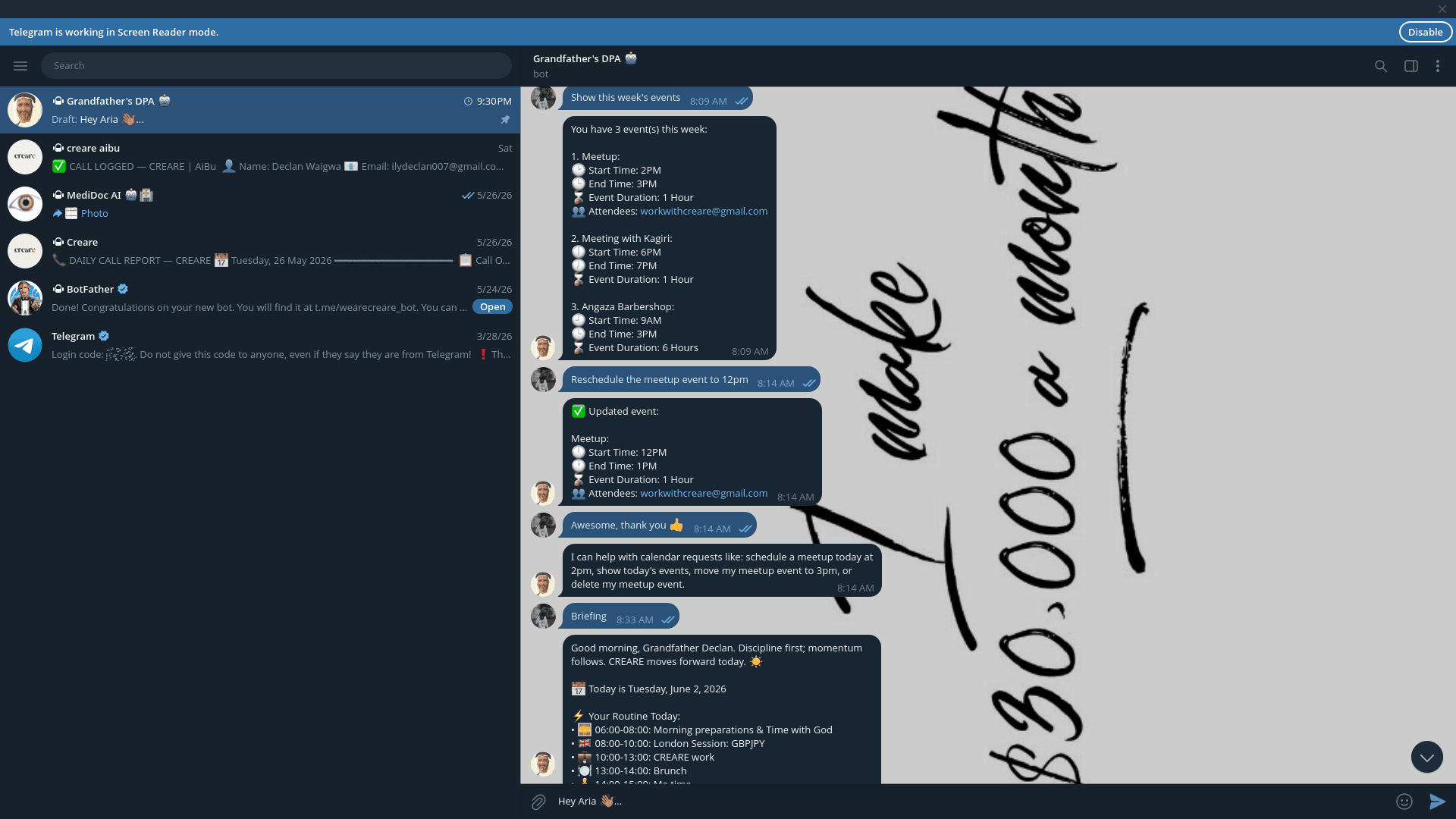
It doesn't mean replacing your staff. It means automating the repetitive, time-consuming tasks that eat your day — following up with leads, sending invoices, responding to common customer enquiries, scheduling appointments, and generating reports. These are tasks that can be handled by an AI agent running 24/7, freeing you to focus on growth, relationships, and the work that actually needs a human.

Real Barriers — and Real Solutions
The three biggest barriers I hear from Kenyan business owners are cost, complexity, and trust. On cost — most AI automation tools have free tiers or cost less per month than a single employee's daily wage. On complexity — platforms like n8n are visual and don't require coding. On trust — the best approach is to start with one low-risk workflow, see it work, and expand from there. The barrier is almost always perception, not reality.


Where to Start
Start with your most painful repetitive task. For most businesses, that's lead follow-up or customer communication. Build one agent to handle that. Get comfortable with it. Then move to the next one. The goal isn't to automate everything overnight — it's to build a system that compounds over time, giving you more capacity without increasing your headcount or hours.

More to Discover

Why Every Small Business in Kenya Should Consider AI Automation Right Now
The opportunity is real, the tools are accessible, and the window is open. Here's why East African small businesses should start adopting AI automation — and what's actually stopping them.
Insights
The Gap Between Awareness and Action
Most small business owners in Kenya have heard of AI. Some have even tried ChatGPT. But there's a wide gap between knowing AI exists and actually using it to automate the operations of a business. That gap is costing businesses time, money, and competitive ground — and it's closing faster than most people think.
What AI Automation Actually Means for a Small Business
It doesn't mean replacing your staff. It means automating the repetitive, time-consuming tasks that eat your day — following up with leads, sending invoices, responding to common customer enquiries, scheduling appointments, and generating reports. These are tasks that can be handled by an AI agent running 24/7, freeing you to focus on growth, relationships, and the work that actually needs a human.
Real Barriers — and Real Solutions
The three biggest barriers I hear from Kenyan business owners are cost, complexity, and trust. On cost — most AI automation tools have free tiers or cost less per month than a single employee's daily wage. On complexity — platforms like n8n are visual and don't require coding. On trust — the best approach is to start with one low-risk workflow, see it work, and expand from there. The barrier is almost always perception, not reality.
Where to Start
Start with your most painful repetitive task. For most businesses, that's lead follow-up or customer communication. Build one agent to handle that. Get comfortable with it. Then move to the next one. The goal isn't to automate everything overnight — it's to build a system that compounds over time, giving you more capacity without increasing your headcount or hours.
More to Discover
Why Every Small Business in Kenya Should Consider AI Automation Right Now
The opportunity is real, the tools are accessible, and the window is open. Here's why East African small businesses should start adopting AI automation — and what's actually stopping them.
Insights
The Gap Between Awareness and Action
Most small business owners in Kenya have heard of AI. Some have even tried ChatGPT. But there's a wide gap between knowing AI exists and actually using it to automate the operations of a business. That gap is costing businesses time, money, and competitive ground — and it's closing faster than most people think.
What AI Automation Actually Means for a Small Business
It doesn't mean replacing your staff. It means automating the repetitive, time-consuming tasks that eat your day — following up with leads, sending invoices, responding to common customer enquiries, scheduling appointments, and generating reports. These are tasks that can be handled by an AI agent running 24/7, freeing you to focus on growth, relationships, and the work that actually needs a human.
Real Barriers — and Real Solutions
The three biggest barriers I hear from Kenyan business owners are cost, complexity, and trust. On cost — most AI automation tools have free tiers or cost less per month than a single employee's daily wage. On complexity — platforms like n8n are visual and don't require coding. On trust — the best approach is to start with one low-risk workflow, see it work, and expand from there. The barrier is almost always perception, not reality.
Where to Start
Start with your most painful repetitive task. For most businesses, that's lead follow-up or customer communication. Build one agent to handle that. Get comfortable with it. Then move to the next one. The goal isn't to automate everything overnight — it's to build a system that compounds over time, giving you more capacity without increasing your headcount or hours.