n8n vs Agentic Frameworks: Which Should You Use to Build AI Agents?
I build AI agents using both n8n and agentic frameworks in VS Code. Here's an honest breakdown of when to use each, what each is good at, and how I decide which one fits a given project.
Resources

What Each Tool Actually Is
n8n is a visual workflow automation platform. You build by connecting nodes — triggers, actions, APIs, AI models — in a drag-and-drop canvas. It's powerful, fast to build with, and handles most integration-heavy use cases beautifully. Agentic frameworks (like LangChain, AutoGen, or custom implementations in VS Code) give you code-level control over agent behaviour, memory, tool use, and multi-agent orchestration. More flexible, more complex, more powerful for certain use cases.

When I Use n8n
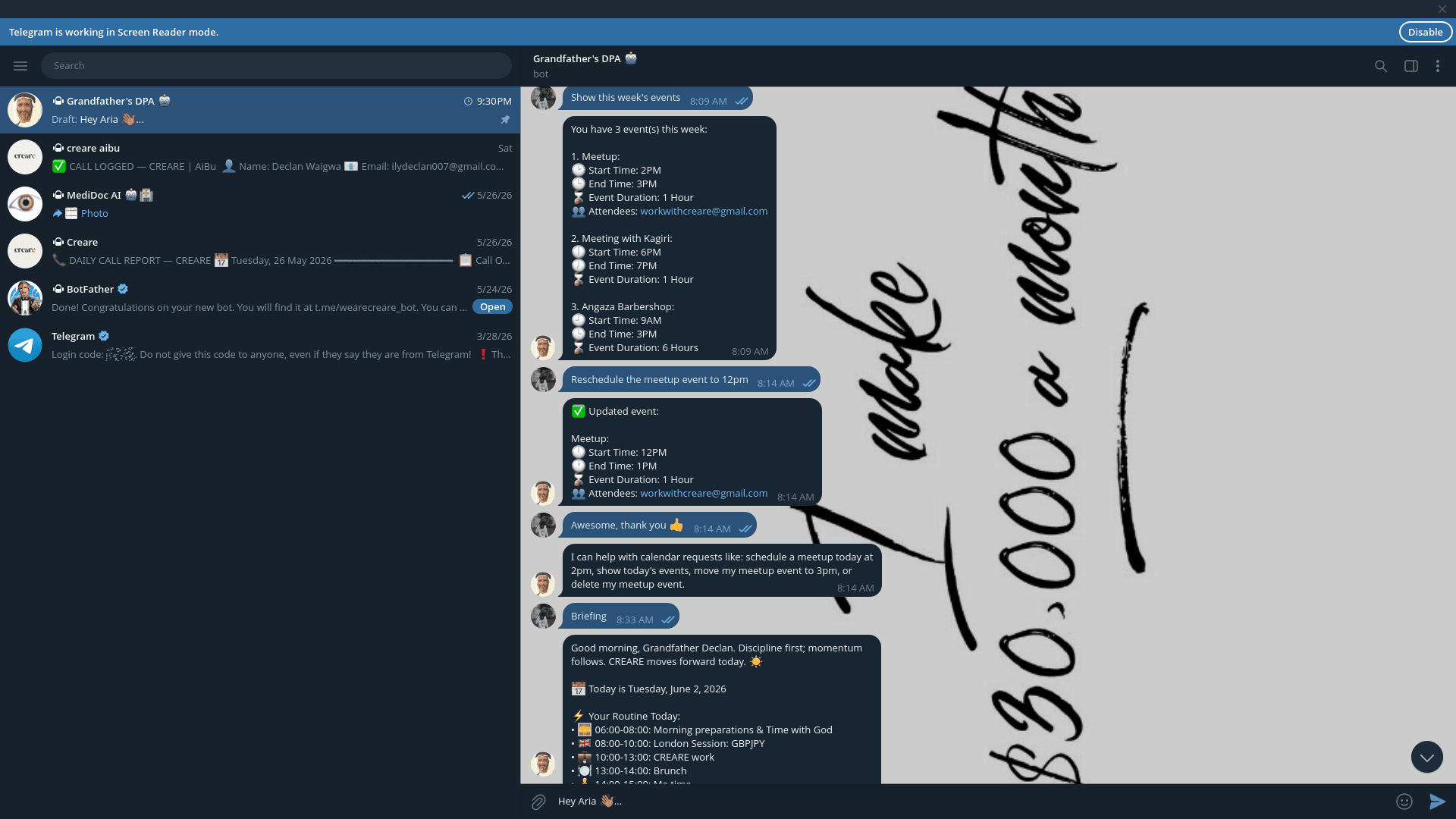
n8n is my first choice when the project is integration-heavy — connecting Gmail, Google Calendar, Telegram, databases, and APIs together. It's also the right tool when speed matters and when the client will need to maintain or adjust the workflow themselves. The visual interface makes it easy to hand over and explain. For most business automation use cases — email agents, calendar agents, lead management, data pipelines — n8n is faster to build and easier to maintain.

When I Use Agentic Frameworks in VS Code
When the agent needs complex reasoning, dynamic tool selection, persistent memory, or multi-agent coordination that goes beyond what n8n nodes can handle, I move to VS Code. Agentic frameworks give me full control over the prompt engineering, the tool-calling logic, the memory architecture, and the agent's decision-making flow. It's more work upfront, but the ceiling is much higher.


My Rule of Thumb
If the agent's job is to connect systems and automate a defined workflow — use n8n. If the agent needs to reason, plan, remember, and make decisions dynamically — use an agentic framework. The two aren't competing; they're complementary. I often use n8n to trigger and orchestrate, while an agentic framework handles the intelligence layer inside a specific node. Together, they cover almost every use case I've encountered.

More to Discover

n8n vs Agentic Frameworks: Which Should You Use to Build AI Agents?
I build AI agents using both n8n and agentic frameworks in VS Code. Here's an honest breakdown of when to use each, what each is good at, and how I decide which one fits a given project.
Resources
What Each Tool Actually Is
n8n is a visual workflow automation platform. You build by connecting nodes — triggers, actions, APIs, AI models — in a drag-and-drop canvas. It's powerful, fast to build with, and handles most integration-heavy use cases beautifully. Agentic frameworks (like LangChain, AutoGen, or custom implementations in VS Code) give you code-level control over agent behaviour, memory, tool use, and multi-agent orchestration. More flexible, more complex, more powerful for certain use cases.
When I Use n8n
n8n is my first choice when the project is integration-heavy — connecting Gmail, Google Calendar, Telegram, databases, and APIs together. It's also the right tool when speed matters and when the client will need to maintain or adjust the workflow themselves. The visual interface makes it easy to hand over and explain. For most business automation use cases — email agents, calendar agents, lead management, data pipelines — n8n is faster to build and easier to maintain.
When I Use Agentic Frameworks in VS Code
When the agent needs complex reasoning, dynamic tool selection, persistent memory, or multi-agent coordination that goes beyond what n8n nodes can handle, I move to VS Code. Agentic frameworks give me full control over the prompt engineering, the tool-calling logic, the memory architecture, and the agent's decision-making flow. It's more work upfront, but the ceiling is much higher.
My Rule of Thumb
If the agent's job is to connect systems and automate a defined workflow — use n8n. If the agent needs to reason, plan, remember, and make decisions dynamically — use an agentic framework. The two aren't competing; they're complementary. I often use n8n to trigger and orchestrate, while an agentic framework handles the intelligence layer inside a specific node. Together, they cover almost every use case I've encountered.
More to Discover
n8n vs Agentic Frameworks: Which Should You Use to Build AI Agents?
I build AI agents using both n8n and agentic frameworks in VS Code. Here's an honest breakdown of when to use each, what each is good at, and how I decide which one fits a given project.
Resources
What Each Tool Actually Is
n8n is a visual workflow automation platform. You build by connecting nodes — triggers, actions, APIs, AI models — in a drag-and-drop canvas. It's powerful, fast to build with, and handles most integration-heavy use cases beautifully. Agentic frameworks (like LangChain, AutoGen, or custom implementations in VS Code) give you code-level control over agent behaviour, memory, tool use, and multi-agent orchestration. More flexible, more complex, more powerful for certain use cases.
When I Use n8n
n8n is my first choice when the project is integration-heavy — connecting Gmail, Google Calendar, Telegram, databases, and APIs together. It's also the right tool when speed matters and when the client will need to maintain or adjust the workflow themselves. The visual interface makes it easy to hand over and explain. For most business automation use cases — email agents, calendar agents, lead management, data pipelines — n8n is faster to build and easier to maintain.
When I Use Agentic Frameworks in VS Code
When the agent needs complex reasoning, dynamic tool selection, persistent memory, or multi-agent coordination that goes beyond what n8n nodes can handle, I move to VS Code. Agentic frameworks give me full control over the prompt engineering, the tool-calling logic, the memory architecture, and the agent's decision-making flow. It's more work upfront, but the ceiling is much higher.
My Rule of Thumb
If the agent's job is to connect systems and automate a defined workflow — use n8n. If the agent needs to reason, plan, remember, and make decisions dynamically — use an agentic framework. The two aren't competing; they're complementary. I often use n8n to trigger and orchestrate, while an agentic framework handles the intelligence layer inside a specific node. Together, they cover almost every use case I've encountered.